
Straight vs Swing vs Dilla Time on Bass Guitar (Hip Hop Groove)
Straight vs Swing vs Dilla Time.
“For the last hundred years, the pulse of popular music has presented itself in two ways: even and uneven, straight and swung.”
— Dan Charnas, Dilla Time
In this lesson, we’ll break down straight vs swing vs Dilla Time on bass guitar, and how each groove feel applies to hip hop bass playing and modern groove theory.
Using a recreated 8-bar drum loop as our source material, the goal isn’t just to play along, it’s to hear, compare, and understand how small changes in note placement affect the pocket.
Rather than thinking in terms of patterns or memorized lines, we’ll focus on a more fundamental question:
Where does the note sit in time?
From there, we’ll break this concept into three distinct approaches:
straight (even subdivision)
swing (triplet-based feel)
Dilla Time (asymmetrical, hybrid placement)
Understanding the difference between these isn’t just about feel, it’s about developing control over your time, your sound, and your role in the groove.
This lesson connects directly to core hip hop bass groove concepts, including:
straight 8th note groove
swung 8th note feel
Dilla Time microtiming and pocket
hip hop groove theory for bass players
If you want to hear how this concept applies in a real musical context, you can also practice with my Dilla-inspired backing track, which this lesson is based on.
If you’d like to work through this concept step-by-step, I’ve put together a Dilla Time Groove Practice Kit for bass, which includes exercises, notation, and a drum loop designed specifically for developing time feel.
👉 Download the practice kit here:
Dilla Time Practice Kit
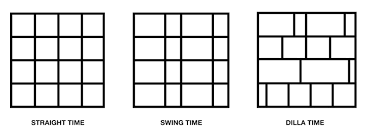
Straight Time
Is the practice of dividing a musical beat into equal, even parts. This rhythmic approach creates a sense of stability and predictability in a piece of music.
To practice use the arrangement below of straight 1/8th notes outlining a G minor and Ab major chord. Use the provided drum loop, which is a recreation of So Far To Go by J Dilla.
If you want to hear this applied in a real musical context, check out my King Kunta Hip Hop Bass Lesson, where groove placement and pocket are applied inside a full bass arrangement.
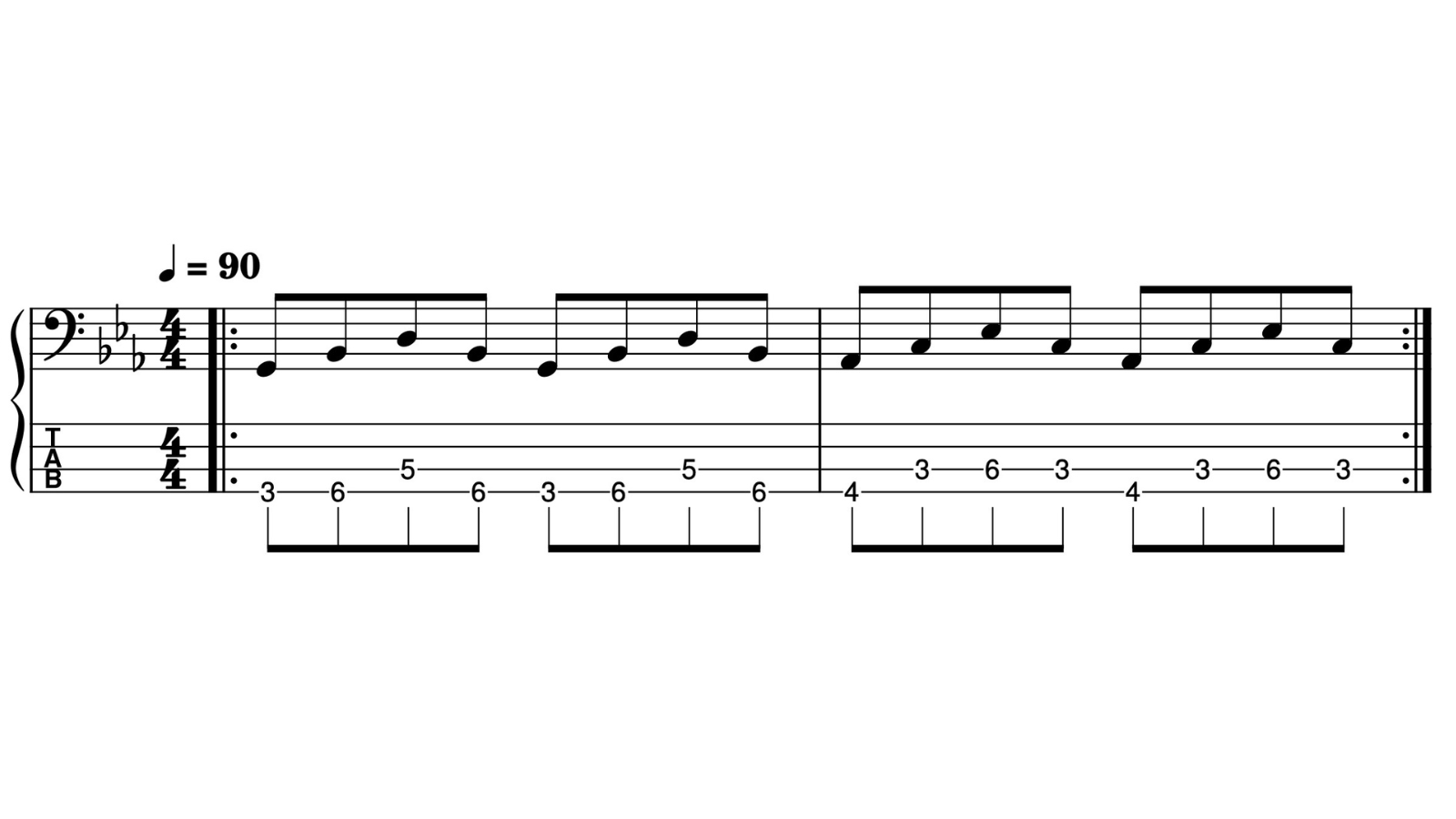
Straight 1/8th notes
Exercise 1: Straight 1/8th notes outlining G minor and Ab major triads
Swing Time
Is the practice of dividing the beat into three unequal parts rather than two equal parts. It creates a long-short rhythmic pattern where the first eighth note lasts roughly twice as long as the second.
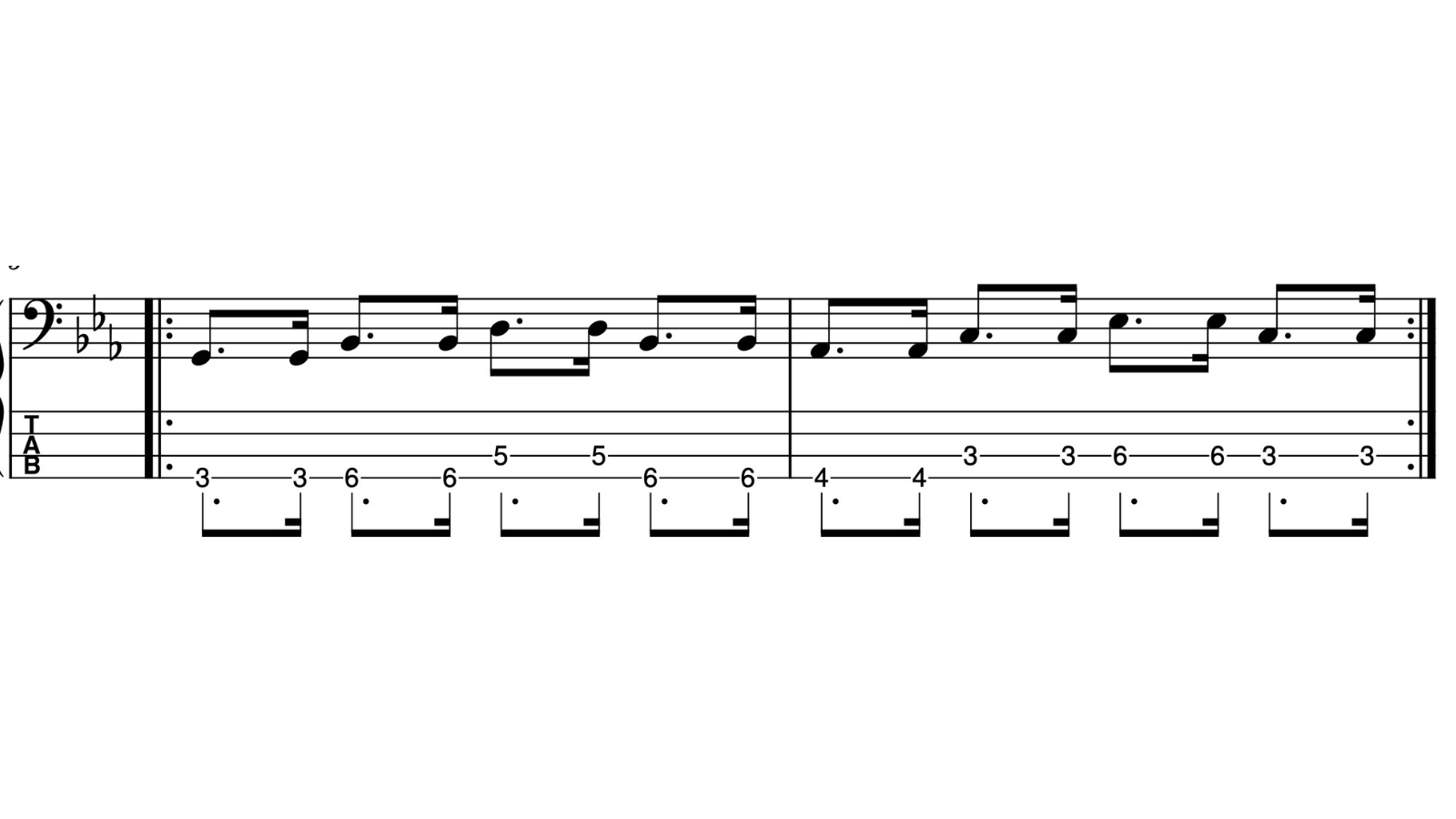
Swung 1/8th notes
Exercise 2: Swung 1/8th notes outlining G minor and Ab major triads
Dilla Time
Dilla Time (or J Dilla-style microtiming and groove placement) creates an asymmetrical feel between straight and swung rhythms.
“(Dilla Time) is the deliberate juxtaposition of multiple expressions of straight and swing time simultaneously, in a conscious cultivation of rhythmic friction for maximum musicality and maximum surprise.”
— Dan Charnas, Dilla Time
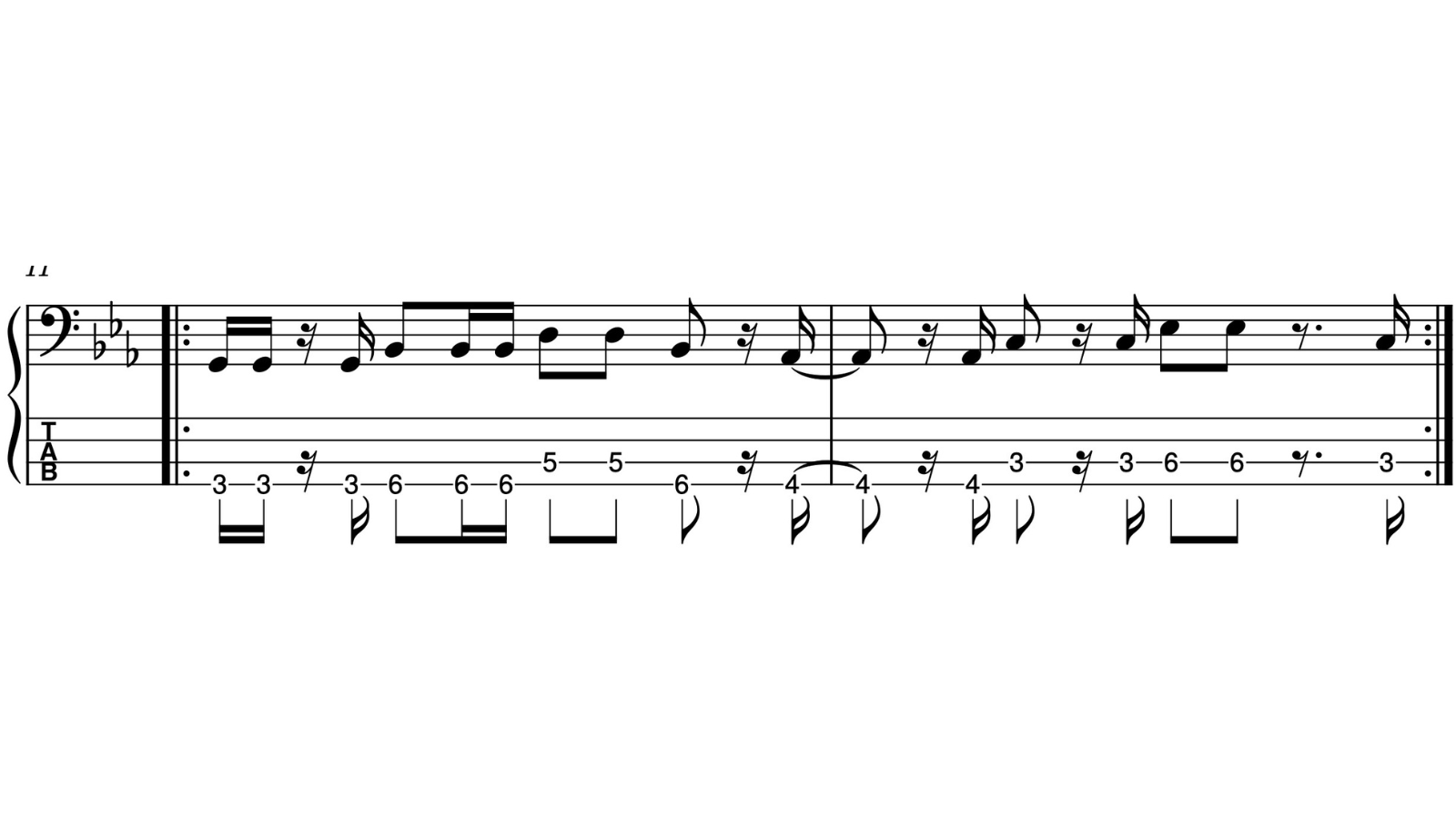
Dilla Time
Bass line outlining G minor and Ab major triads in Dilla Time
Understanding the difference between straight, swung, and Dilla Time isn’t just a theoretical exercise—it’s a practical way to take control of your time feel on the instrument.
When you can hear and intentionally adjust where your notes sit, you move beyond reacting to the groove and start actively shaping it.
That’s what separates playing along from actually locking in.
If you want to internalize this concept, the next step is to spend time with it in a focused way—looping the groove, comparing each feel, and developing consistency in your placement.
If you’re looking for hip hop bass lessons in Atlanta, or want to develop stronger groove, timing, and pocket control, these are the same concepts I work through with students in my lessons.
This is a key part of my Groove Lab framework, where we connect rhythm, harmony, and production concepts specifically for hip hop bass playing. The goal is to build practical control over timing, pocket, and note placement so your bass lines actually sit inside the music, not on top of it.
👉 Learn more about lessons:
Learn more about lessons