Groove Lab
A Hip Hop Bass Framework for Rhythm, Harmony, and Production
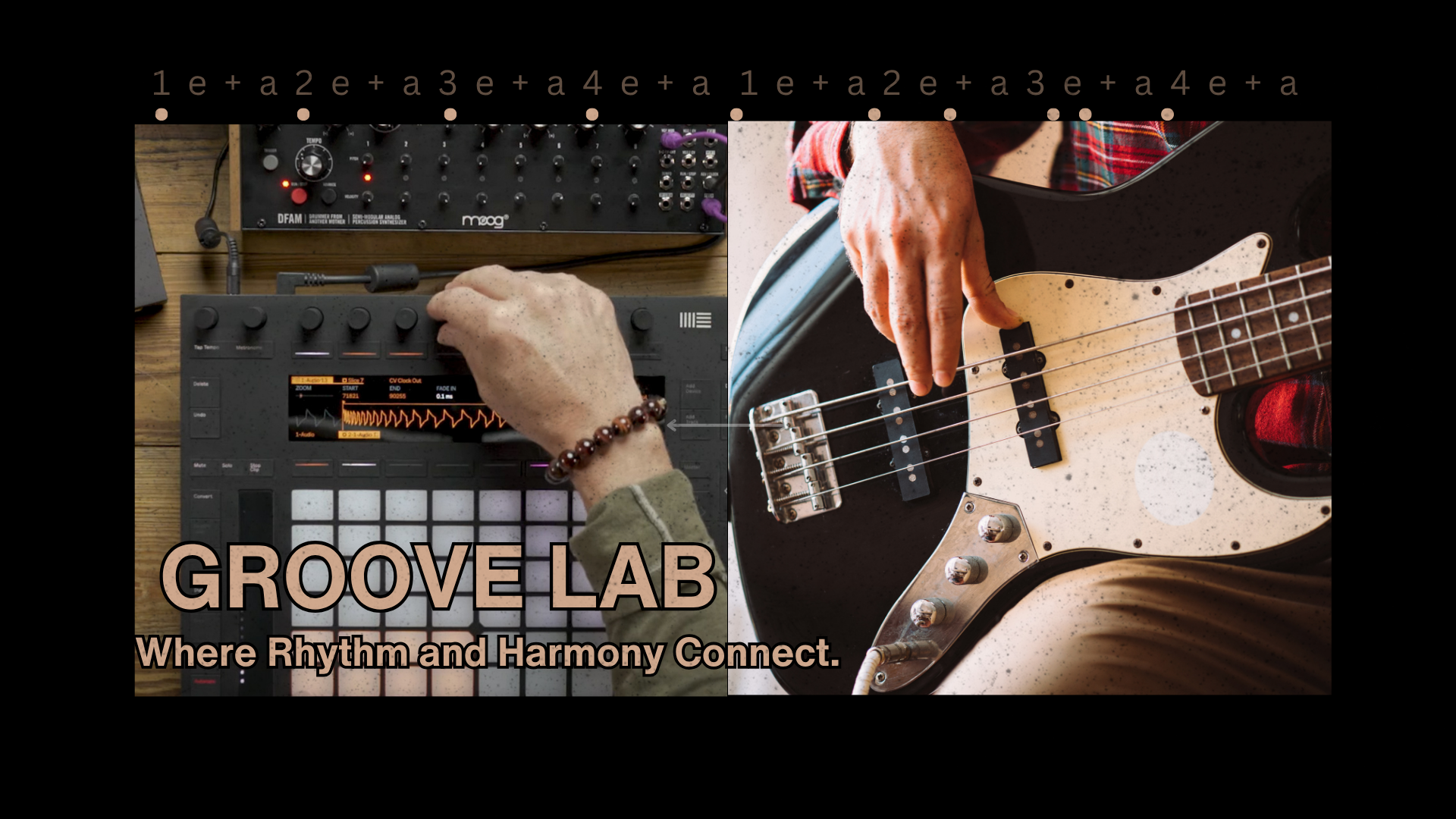
Groove Lab is the educational framework I use to teach groove on bass.
Most bass players are taught to "feel the groove" without ever being taught the specific skills that actually create groove.
As a result, many players develop technique, learn songs, and memorize scales, but still struggle with timing, pocket, rhythmic consistency, and musical feel.
Groove Lab is a system for learning Hip Hop bass through internal pulse, subdivision, note placement, space, repetition, harmony, and pocket.
Instead of treating groove like talent or instinct, Groove Lab breaks groove into practical skills that can be practiced and developed intentionally.
Inspired by the rhythmic traditions of Hip Hop, Neo Soul, Jazz, and R&B, Groove Lab helps bass players understand not only what to play, but why certain rhythmic and harmonic choices create feel, movement, and emotion.
Start Here
New to Groove Lab?
Begin with these foundational lessons:
These lessons establish the rhythmic foundation used throughout Groove Lab and prepare you for more advanced groove, harmony, and musical feel concepts.
Why Groove Lab Exists
Music education in America runs on a paradox: the institutions with the deepest theoretical rigor are the least accessible, and the traditions most responsible for the vitality of modern popular music are the least centered in formal study.
A conservatory education can teach you to think like a musician, but it requires proximity to cities like Boston, New York, or LA, and a level of cost that leaves graduates in debt for a credential that, on its own, doesn't teach them how to build a career. I know this firsthand: my own training gave me real musical judgment I still rely on today, but it didn't teach me how to translate that judgment into a livelihood once no one was left to make the decisions for me.
The traditions most responsible for the innovation and popularity of modern music are treated as peripheral in most formal curricula — even though that's not a matter of taste, it's a gap between what music education claims to study and what actually shapes the music people make today.
The alternatives to formal education — YouTube tutorials, generic local instruction — solve the access problem, but at a cost: they teach what to play, rarely why. Students accumulate licks and technique without developing the independent musical decision-making that separates someone who can execute a part from someone who can originate one.
Groove Lab exists in the space between these failures. It's built on the belief that rigorous, theory-literate musicianship and serious engagement with Black musical tradition aren't in tension — they're the same project, done properly. And it's delivered virtually and individually, so that access depends on curiosity and commitment, not geography or tuition.
The goal isn't just to teach students to play. It's to teach them to think — to make the kind of musical decisions a Music Director would otherwise make for them.
That's the gap Groove Lab is built to close. Here's how it works.
Groove Foundations
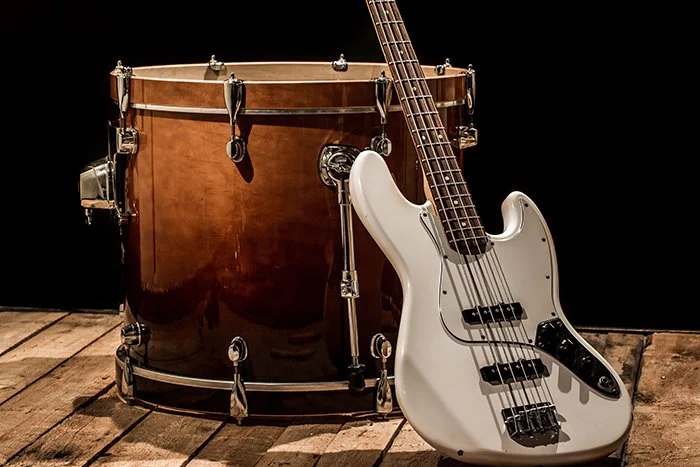
Groove starts with rhythm. These lessons focus on developing internal pulse, rhythmic consistency, subdivision awareness, and note duration control. The goal is to build the timing skills that support strong groove, pocket, and musical confidence on bass.
These are the fundamentals a Music Director assumes you already have — here, you build them deliberately.
Groove Construction
Groove is more than keeping time. These lessons explore how note placement, space, repetition, phrasing, and micro-rhythm work together to create feel. Drawing heavily from Hip Hop traditions, this section focuses on the decision-making skills used to build compelling bass grooves.
This is where you stop copying grooves and start making the calls yourself.
Bass Harmony
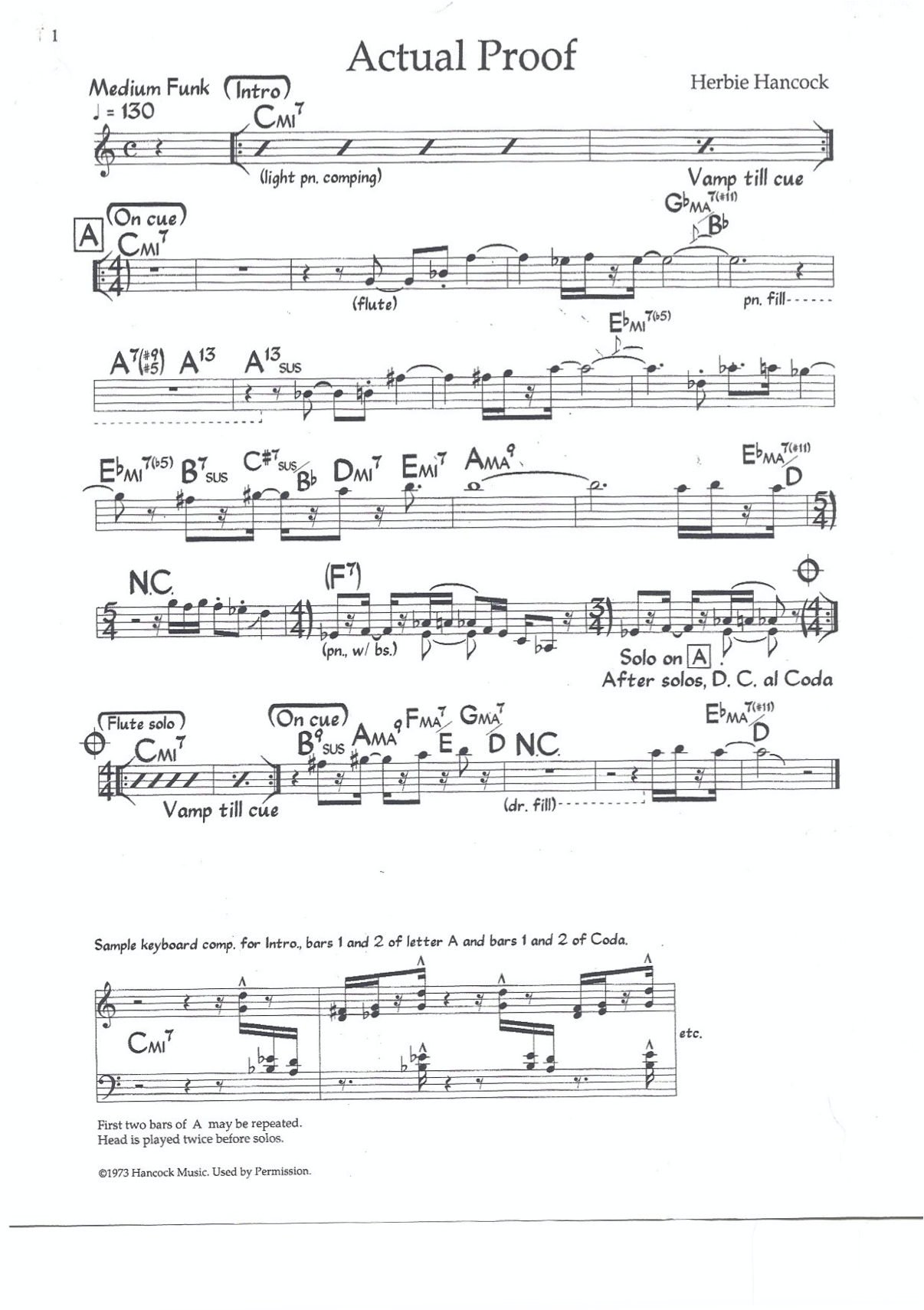
Groove is shaped by note choice as much as rhythm. These lessons explore voice leading, chord extensions, tension notes, and harmonic movement commonly found in Jazz, Hip Hop, Neo Soul, and R&B. The goal is to understand how harmony influences the direction, color, and emotional impact of a bass line.
The same harmonic vocabulary conservatories teach — applied to the traditions they usually leave out.
Production And Tone
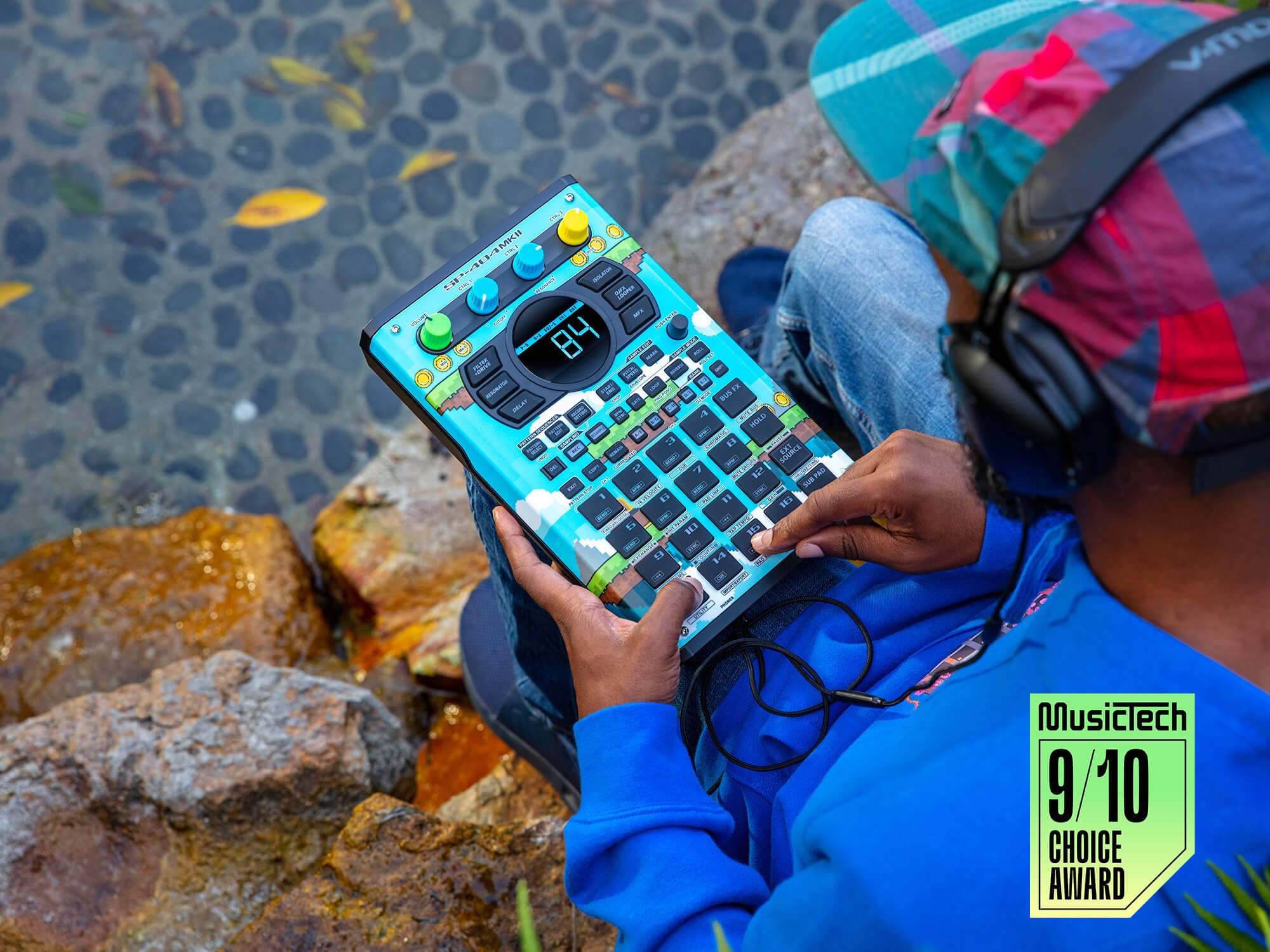
Groove is also influenced by sound. These lessons explore how effects, signal chain choices, compression, saturation, filtering, and other production tools shape groove perception, pocket, articulation, and feel. The goal is to understand how tone and production choices support musical expression in modern Hip Hop, Neo Soul, and R&B.
Sound is a musical decision too — not an afterthought once the notes are chosen.
Groove Lab In Practice
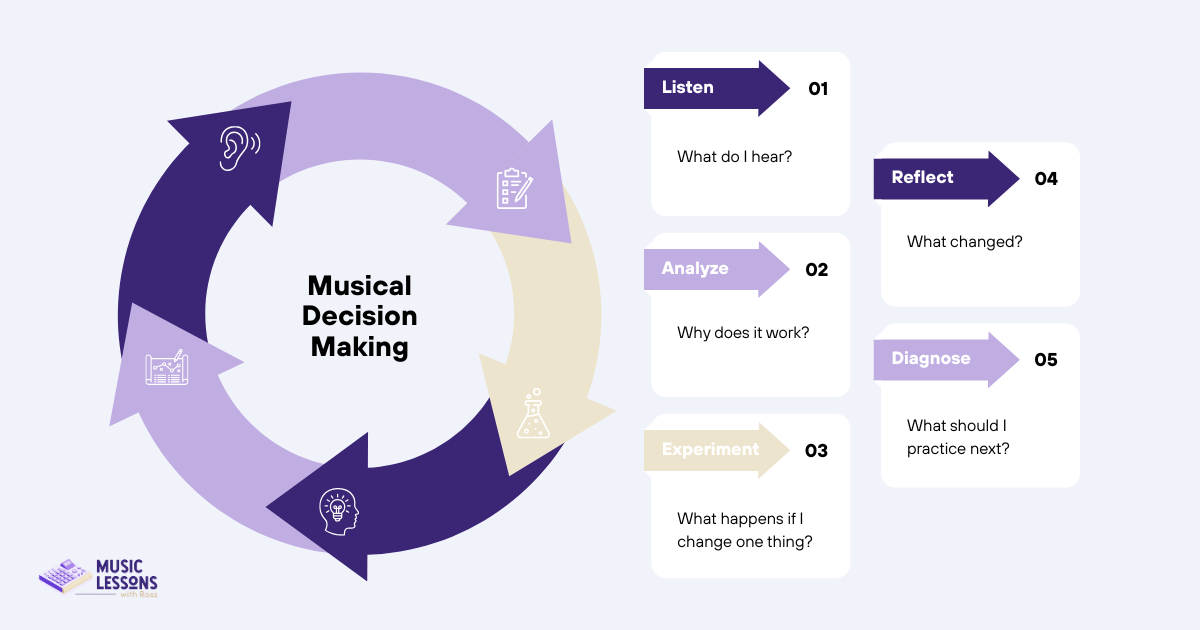
The goal of Groove Lab isn't simply to learn concepts. It's to develop practical groove skills that can be applied in real musical situations.
The following student groove studies demonstrate how concepts like note duration, rhythmic control, groove, and musical decision-making translate into real-world playing. Each study includes student performances alongside detailed feedback and coaching insights from the Groove Lab process.
Groove Control and Note Duration
Learn how note length, rhythmic consistency, and intentional articulation impact groove, feel, and pocket.
Transforming Lessons into Bass Line Choices
See how Groove Lab concepts move beyond exercises and become practical musical decisions within real bass lines and performances.
Try It Yourself
Ready to apply these concepts in a real piece of music? Groove Lab Study 3: Rhythm Mapping & Voice Leading is a free guided study that walks you through mapping drums, writing a bass rhythm, analyzing chords, and using voice leading. All on an original Hip Hop and Jazz Fusion backing track.
Groove Lab is the framework behind every Hip Hop Bass Lesson I teach through Music Lessons With Ross.
Whether you're learning Dilla Time, improving your pocket, exploring Neo Soul harmony, or developing your bass tone, each lesson is designed to strengthen one or more Groove Lab skills.